
Understanding and Using a Mortgage Calculator for Home Buying
Estimated Reading Time: 7 minutes
- What is a Mortgage Calculator?
- How a Mortgage Calculator Works
- Types of Mortgage Calculators
- The Mechanics of Mortgage Calculations
- Advantages of Using a Mortgage Calculator
- Limitations and Considerations
Table of Contents
- What is a Mortgage Calculator?
- How a Mortgage Calculator Works
- Types of Mortgage Calculators
- The Mechanics of Mortgage Calculations
- Advantages of Using a Mortgage Calculator
- Limitations and Considerations
What is a Mortgage Calculator?
Navigating the world of home buying can be a complex journey, but utilizing a mortgage calculator can simplify your path, providing essential insights into your financial capabilities and helping you make informed decisions. At its core, a mortgage calculator is an automated online tool designed to estimate monthly mortgage payments and associated costs by allowing users to input variables such as loan principal, interest rate, loan term, down payment, property taxes, insurance, and other fees.
How a Mortgage Calculator Works
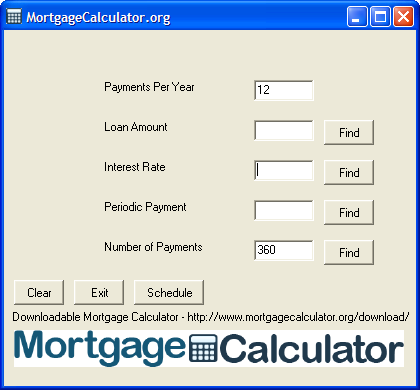
A mortgage calculator uses a series of inputs to determine what your monthly payments could be. These inputs simulate an amortization schedule, where part of each payment goes toward interest costs and reduces your principal balance. Here’s a closer look at the key variables involved:
- Loan Principal/Balance: This is the amount you plan to borrow after accounting for your down payment.
- Interest Rate: This plays a crucial role in calculating your payments. The annual percentage rate, which can be fixed or adjustable, directly impacts your monthly dues.
- Loan Term: Terms typically range from 15 to 30 years, impacting how much you’ll pay each month.
- Payments Per Year: Most loans require 12 monthly payments annually.
- Additional Costs: Include property taxes, homeowner’s insurance, HOA fees, PMI for down payments less than 20%, and closing costs.
For example, if you have a $250,000 mortgage loan at a 5% interest rate spread over 30 years, your monthly principal and interest payment would be approximately $1,342.
Types of Mortgage Calculators
Various mortgage calculators cater to specific needs, offering tailored analyses for different home buying scenarios. Below, we examine popular types:
Mortgage Payment Calculator
This tool helps estimate your monthly principal and interest (P&I) payments based on the loan amount, interest rate, and loan term. It’s essential for understanding your baseline mortgage obligations.
Affordability or Home Affordability Calculator
These calculators determine how much house you can afford by evaluating your income, debts, down payment, property taxes, and insurance costs. They consider financial ratios like debt-to-income (DTI) and loan-to-value (LTV). For a deeper understanding of financial ratios, check out our blog on how much house can I afford calculator USA.
Refinance Calculator
When considering refinancing, this tool compares your current and potential new loan, showing savings, new payments, and breakeven points. You can learn more about the latest refinance mortgage rates today and how they can lower your monthly payments.
Rent vs. Buy Calculator
This calculator compares the financial implications of renting versus buying over time, considering factors like rent and home price increases, taxes, and cumulative costs.
Down Payment Calculator
Analyzing different down payment amounts, this calculator illustrates their impact on monthly payments and total interest paid over the life of the loan.
Debt-to-Income Ratio Calculator
This tool assesses whether your current debt levels meet typical lender guidelines, crucial for mortgage eligibility.
Mortgage Loan Calculator
This holistic tool breaks down your monthly payments into their principal, interest, taxes, and insurance components, offering a comprehensive view of your total cost.
The Mechanics of Mortgage Calculations
Mortgage calculators rely on the amortization formula to break down monthly payments:
M = P × (r(1 + r)^n) / ((1 + r)^n – 1)
Where:
- M is the total monthly mortgage payment.
- P is the principal loan amount.
- r is the monthly interest rate (annual rate divided by 12).
- n is the number of payments (the loan term multiplied by 12 for monthly payments).
These tools also provide estimates for location-based taxes and insurance, PMI, and HOA fees. By allowing users to adjust variables such as down payment size or interest rates, they provide a flexible means to explore “what-if” scenarios and determine optimal loan terms.
Advantages of Using a Mortgage Calculator
For Homebuyers
Mortgage calculators are instrumental in assessing home affordability by considering all income streams, debts, and additional housing costs like taxes and dues. They empower first-time buyers to refine their search and budgeting with realistic financial expectations.
For Lenders
Lenders utilize these calculations to evaluate applicants’ financial standing and suitability for loans. They help ensure that borrowers possess the necessary fiscal discipline required for a mortgage.
Versatile Scenarios
Whether you’re exploring first-time purchases, refinancing options, or unlocking home equity, a mortgage calculator offers insights without the need for precise figures. Free online calculators are widely available on websites like SmartAsset, often including PITI and HOA considerations. Ensuring users are thoroughly informed, they help demystify complex financial decisions.
Limitations and Considerations
Despite their utility, mortgage calculators produce estimates, not guaranteed payment amounts, as actual costs can vary due to credit history, market fluctuations, and unforeseen fees. It’s crucial to verify calculations and obtain specific quotes from lenders. Additionally, FHA-specific calculators are available for government-backed loan considerations.
Ultimately, through its detailed simulation, a mortgage calculator allows prospective homeowners to explore various financial scenarios thoroughly and confidently. Are you ready to clarify your mortgage prospects? Visit RateNavigate.com to compare rates and find the best mortgage options for you.
}