
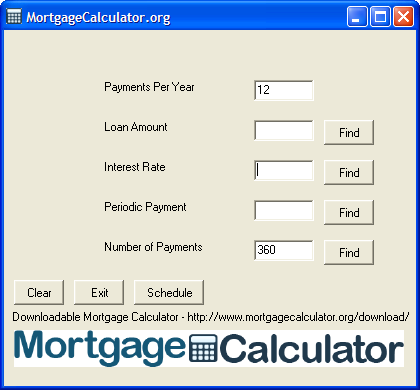
“`html
Mortgage Calculator 2026: Compare Rates, Payments & Financial Options
Key Takeaways
- The 30-year fixed-rate mortgage has declined below 6% for the first time in 3.5 years, averaging 5.98%.
- Refinance rates generally exceed purchase rates by 10-50 basis points due to lender costs.
- Despite rate declines, housing affordability remains challenging, compounded by hidden costs.
- The mortgage market is characterized by stagnant house prices, with significant regional variations.
- Approximately 82.8% of mortgage holders have rates below 6%, leading to market inertia.
Current Market Averages
As of late February 2026, mortgage rates present an intriguing landscape for potential homebuyers and refinancers. The 30-year fixed-rate mortgage averages 5.98%, making it attractive compared to the previous year’s average of 6.76% (source). Additionally, the 15-year fixed-rate mortgage stands at 5.44% (source), offering a shorter-term option for those seeking to reduce total interest paid over the life of the loan.
Mortgage Products Comparison Table
| Loan Type | Rate (as of Feb. 26-27, 2026) |
|---|---|
| 30-year conventional | 5.964% |
| 15-year conventional | 5.291% |
| 30-year jumbo | 6.192% |
| 30-year refi (conventional) | 6.08% |
| 30-year FHA | 5.63% |
| 30-year VA | 5.91% |
| 30-year jumbo refi | 7.75% |
Sources: Fortune, Freddie Mac
Break-Even Analysis
When evaluating a mortgage, understanding your break-even point is crucial, especially when comparing fixed-rate options like a 15-year versus a 30-year mortgage. For instance, on a $350,000 mortgage at the current average 30-year rate of 5.964%, the total interest paid would surpass $264,000 by the end of the loan period (source). Comparatively, a 15-year mortgage, although offering a higher monthly payment, would significantly reduce the total interest burden. For a more detailed understanding, check out our article on Understanding and Using a Mortgage Calculator for Home Buying.
Hidden Risks & Industry-Standard Costs
While the allure of lower rates is evident, the mortgage landscape is fraught with hidden risks. Refinance spreads are a notable factor, with refinancing generally incurring higher rates than purchasing by 10-50 basis points (source). Additionally, jumbo loan premiums can escalate rates by 20-100 basis points above conforming loans due to inherent risk and limited market liquidity (source).
Decision Guidance: Analyzing Your Mortgage Options
Making an informed decision about your mortgage strategy requires balancing monthly cash flow with long-term financial stability. A lower rate 15-year mortgage reduces interest costs significantly, but the higher monthly payments may impact monthly budgeting. Conversely, while a 30-year mortgage offers lower monthly payments, the total cost in interest is considerably higher. It’s crucial to assess your income stability, future financial goals, and the opportunity cost of capital allocation when choosing a mortgage term. For valuable insights, refer to our post on the Chase Mortgage Rate Sale.
Market Outlook and Influences
According to J.P. Morgan Global Research, the U.S. housing market is expected to experience 0% growth in 2026, with significant regional variations. The predictor is stalling in price appreciation, particularly on the West Coast and Sun Belt regions, attributed to over-construction during the pandemic years. Fannie Mae forecasts stable 30-year rates at 5.9% by year-end (source), reinforcing the need for a prudent, well-researched approach to mortgage selection.
Understanding these elements can influence your decision favorably, ensuring your financial choices align with both current economic conditions and your long-term objectives.
“`}